
 English
  Français
  Deutsch
  Türkçe
  Svenska
  Norsk
Norsk  Dansk
Dansk  Suomi
Suomi  Русский
  Polski


Why Foreigners Need a Bank Account in Spain When Buying Property
For foreigners buying property in Spain, a bank account is a practical tool that allows the transaction to be completed and the property to be managed afterward. The main payments involved in the purchase usually pass through a Spanish account. These include transfers to the seller, notary services, registration fees, taxes, and other related transaction costs.
After the purchase, the account is no longer needed only for a one-time transaction. It becomes necessary for regular payments connected with the property. Owners usually use it to pay utilities, community fees to the Community of Owners, municipal taxes, property insurance, and mortgage payments if the purchase was financed.
A Spanish bank account also simplifies everyday spending while staying in the country. Card payments, transfers, online banking, and automatic debits are all easier to manage locally.
Documents Required to Open a Bank Account in Spain
A foreigner in Spain can open either a resident or a non-resident bank account. Property buyers who have not yet moved permanently usually open a non-resident account. It allows payments related to the purchase, taxes, and property maintenance, although its fees and service conditions can sometimes be less favorable than those offered to residents.
Passport
The main document required to open an account is a valid international passport. The bank uses it to verify the client’s identity and check personal data in accordance with compliance and financial monitoring rules.
If the passport has expired or its details do not match other documents, the bank may suspend or refuse to process the application.
NIE Number in Spain
The NIE (Número de Identidad de Extranjero) is the official identification number assigned to foreigners in Spain. It is required for various legal, financial, and administrative procedures, including real estate transactions, tax matters, and bank account opening.
While specific requirements may differ between banks, an NIE number is generally essential for opening a bank account in Spain and for completing a property purchase efficiently. As a result, many foreign buyers arrange their NIE before signing the principal transaction documents.
Proof of Address
Banks often request confirmation of the client’s residential address. For non-residents, this is usually an address in the country of permanent residence.
The address can be confirmed by a bank statement, a utility bill, or an official letter. Some banks may also accept a rental agreement or another document confirming the client’s actual address.
The purpose of this requirement is not simply formal. It allows the bank to comply with KYC procedures and correctly identify the client for tax purposes.
Proof of Income or Source of Funds
Spanish banks may request documents explaining the origin of the funds. These typically include income certificates, tax declarations, bank statements, employment contracts, documents confirming the sale of assets, or other proof of the source of capital.
For property buyers, this requirement is particularly important. The bank evaluates not only the client’s identity but also the legality of the funds that will be used in the transaction.
Initial Deposit
Some banks require an initial deposit when opening an account. The amount depends on the bank’s internal policy, the type of account, and the selected service package.
Usually it is not a large sum, but it is worth confirming this in advance. Buyers should also check the monthly maintenance fee, the cost of the bank card, the conditions for international transfers, and the rules governing automatic payments.
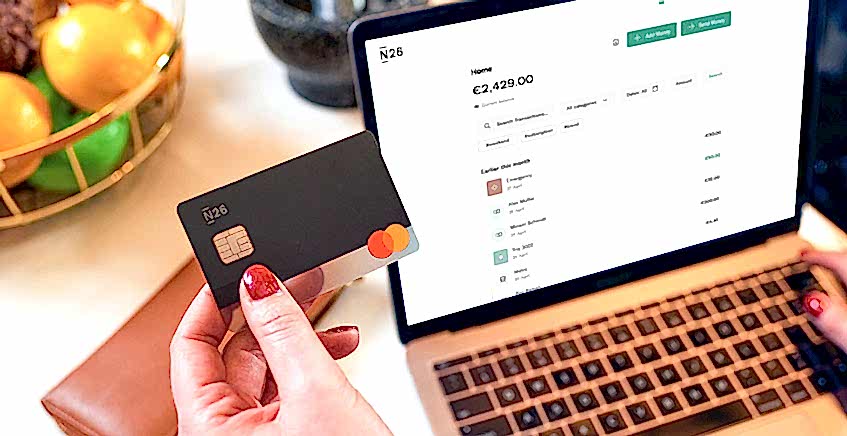
How to Open a Bank Account in Spain Step by Step
Opening a bank account is usually straightforward if the documents are prepared in advance and the sequence of steps is clear.
For property buyers, it is particularly important not to leave this stage until the last days before the transaction. Delays at this point can create problems with the notary or the lending bank.
Choose a Bank
The first step is to choose a bank that fits your specific needs.
If the account is mainly required for a property purchase, it is worth looking not only at the bank’s reputation. Service fees, the speed of international transfers, the availability of English-speaking support, the quality of the mobile application, and the bank’s experience working with non-resident clients are just as important.
For buyers planning to use a mortgage, it is also important that the bank can support the transaction from loan approval to regular payment processing.
Obtain an NIE Before Opening a Bank Account in Spain
If you do not yet have an NIE (Número de Identidad de Extranjero), it is strongly recommended to obtain one before applying for a bank account in Spain. The NIE number is an essential requirement not only for most Spanish banks, but also for property purchases, tax payments, and other legal or administrative procedures in Spain.
If you are already in Spain, you can apply for an NIE at the National Police Station (Policía Nacional) or the Foreigners’ Office (Oficina de Extranjeros). In most cases, you will need to book an appointment online in advance (Cita Previa). If you are outside Spain, you can submit your application through the Spanish Embassy or Consulate in your country of residence.
Alternatively, applicants who prefer a more convenient process may authorize a lawyer or a specialized gestor in Spain to complete the NIE application on their behalf through a power of attorney.
Visit a Branch or Submit an Online Application
Some banks allow applications to be submitted online, particularly for residents. However, for non-residents a personal visit is still often required.
It is therefore advisable to clarify in advance whether the entire process can be completed remotely or whether a meeting at the branch will be necessary. For foreign buyers this is an important practical detail, especially when the trip to Spain is short and linked to the property transaction.
Provide Documents and Sign the Agreement
At this stage the bank verifies the client’s identity, reviews the documents, and checks the origin of funds.
Once approved, you sign the account service agreement, receive the bank account details, and confirm the conditions related to fees, cards, transfers, and additional services. This is the moment when it is worth carefully reviewing commissions and limitations rather than simply signing the standard package.
Activate Online Banking
After the account is opened, it is important to activate internet banking and the mobile application immediately.
This allows you to monitor property-related payments, taxes, automatic debits, and incoming transfers remotely. For an owner who does not live in Spain permanently, this is not simply a matter of convenience. It is an important part of managing the property without regular visits to the bank branch.
Frequently Asked Questions About Opening a Bank Account in Spain
Q: Can a foreigner open a bank account in Spain without residency?
A: Yes, foreigners can open a non-resident bank account in Spain. This is the most common option for property buyers who have not yet moved permanently.
Q: Do I need an NIE to open a bank account in Spain?
A: In most cases, yes. Some banks may allow account opening without an NIE, but it is usually required to fully use the account and complete a property purchase.
Q: How long does it take to open a bank account in Spain?
A: Opening a bank account can take from one day to several days, depending on the bank, the documents provided, and compliance checks.
Q: What documents are required to open a bank account in Spain as a foreigner?
A: Banks usually require a valid passport, NIE number, proof of address, and documents confirming the source of funds.
Q: Do I need a Spanish bank account to buy property in Spain?
A: In practice, yes. A local account is used to complete the purchase, pay taxes and fees, and manage ongoing property expenses.
Contact Us to Buy Property in Spain
Licensed real estate agency TERRA Real Estate has been assisting foreign buyers with the purchase of overseas property since 2004.
We help clients organize the entire transaction process of buying property in Spain — from selecting a property and analyzing the market to handling practical matters related to banking and legal procedures.